
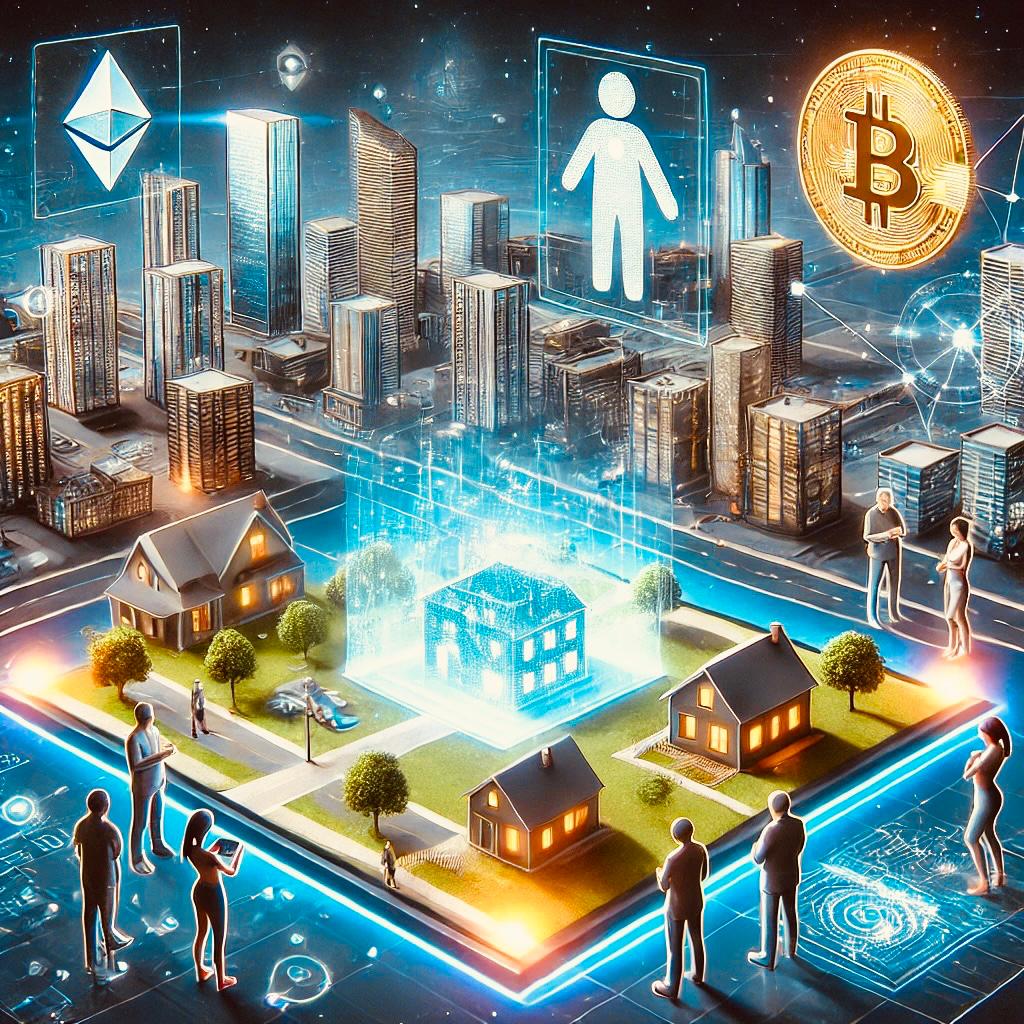
Technology has changed property marketing through 3D imagery, virtual tours, virtual reality (VR) and augmented reality (AR). This archive article explores a different concept: metaverse property.
What is metaverse property?
Imagine a shared digital world where people explore, socialise, work and buy virtual assets through avatars. This is the metaverse, an immersive online environment connecting users in different locations.
Some platforms represent virtual land and buildings as NFTs (non-fungible tokens), with blockchain records identifying tokens and transactions. Owning a token is not equivalent to owning physical real estate, and the associated rights depend on the platform and contractual terms.
How are virtual properties bought?
Buying virtual property resembles a speculative digital-asset or technology investment rather than buying a physical home. The article outlines these stages:
Choose a platform — Examples mentioned at publication include:
Decentraland: virtual land associated with the MANA token.
The Sandbox: a platform for brands and creators associated with SAND.
Upland: a virtual environment based on real-world locations, using UPX.
Landworks: described in the original article in connection with application and game development.
Earth 2: presented as a virtual representation of Earth at a 1:1 scale.
Create a digital wallet — Some platforms require a wallet compatible with cryptocurrencies and NFTs.
Acquire and use the virtual asset — Depending on the platform, uses may include virtual construction, space rental, events or resale. Availability of these functions and any resale value are not guaranteed.
Why have people invested?
The article describes several motivations:
Speculation and investment — Some buyers hope to resell at a higher price. The article cites Tokens.com, reporting a $2.4 million purchase in Decentraland's Fashion District intended for fashion-brand activities.
Corporate branding — Brands such as Gucci, Adidas and Samsung were cited for virtual showrooms, events and engagement with digitally active audiences.
Celebrities and public figures — The article names Snoop Dogg and Justin Bieber in connection with virtual experiences and reports that one user spent 450,000 dollars to become Snoop Dogg’s neighbour in the Snoopverse.
The risks
These assets involve substantial uncertainties, including:
Cryptocurrency volatility — Token and virtual-asset values can fluctuate sharply.
Platform viability — A loss of users or closure can undermine the asset's utility and value.
Security and blockchain risks — Hacks, technical failures and account or wallet problems can compromise assets.
Potential roles for property professionals
The article explores possible services for professionals with relevant digital expertise:
Assessing virtual assets — Examining location within the platform, demand and the platform's prospects.
Visual and technical storytelling — Creating immersive presentations of virtual spaces.
NFT transaction support — Helping clients understand wallets and transactions, within the professional's competence and any applicable regulatory requirements.
Virtual property explores new forms of digital ownership, but it remains highly speculative and depends on technology, platform rules and demand. The article's original optimism should not be read as a promise of returns or a recommendation to buy.