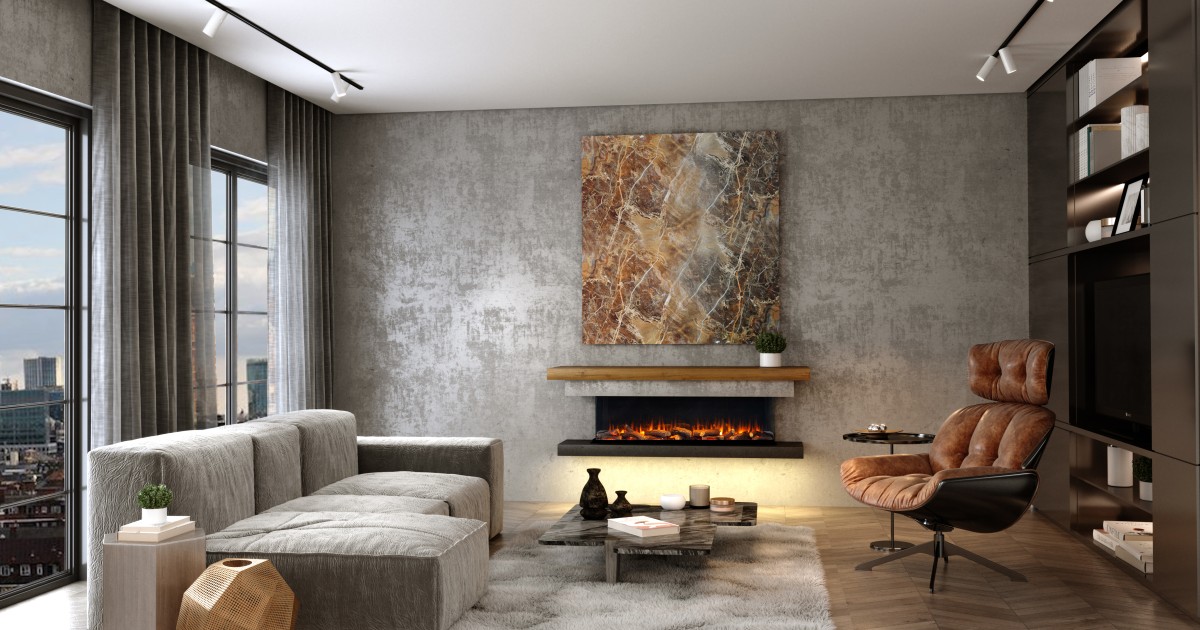
How we use our homes has changed. Beyond meeting daily needs, a home is increasingly a flexible space that adapts to different rhythms of life. This is central to Smart Living, an approach reflecting wider social changes.
Home as a flexible space: work, wellbeing and social life
Smart living sees a home as adaptable rather than a fixed set of rooms. Working, exercising, studying, meeting friends and finding time for ourselves call for thoughtful planning, light and flexibility.
The pandemic accelerated changes in priorities. Features once seen as optional, such as a balcony, good daylight or a spare room for a home office became more important.
OMI figures cited in the article: demand for more space, greenery and flexibility
The article cites Italy’sProperty Market Observatory, OMI, reporting increased demand since 2020 for homes supporting comfort and quality of life. Demand for homes with terraces, gardens and additional space in out-of-town settings is described as increasing by 20% to 30% in several Italian provinces.
Buyers are seeking a balance between space, nature, privacy and personal time, contributing to interest in suburbs and smaller towns with different lifestyle and value options.
The property market responds with new ideas
Residential projects increasingly emphasise:
- modular, multipurpose spacesthat can change with daily needs
- bright interiorswith large windows and links to outdoors
- green areasboth private and shared
- shared facilitiessuch as coworking, meeting rooms, fitness spaces and relaxation areas
- conversion of former industrial and office buildings into hybrid residential uses
These ideas respond to people who see home as a place for wellbeing and personal productivity.
Agencies focus more on quality of life
Property descriptions and selection criteria increasingly include:
- natural light
- orientation and quietness
- outdoor space
- potential for a home office
- thermal and acoustic insulation
- access to amenities, green routes and local attractions
Agencies, including ours, are adapting their assessments to recognise homes offering thoughtful everyday comfort and responding to contemporary needs.
Smart living as an enduring approach
Smart living is presented as a new approach to housing. Homes should increasingly be:
- adaptable
- technological but human
- connected but relaxing
- designed to improve quality of life
For developers, architects and agencies, this offers both a challenge and an opportunity to combine wellbeing, efficiency and sustainability.