
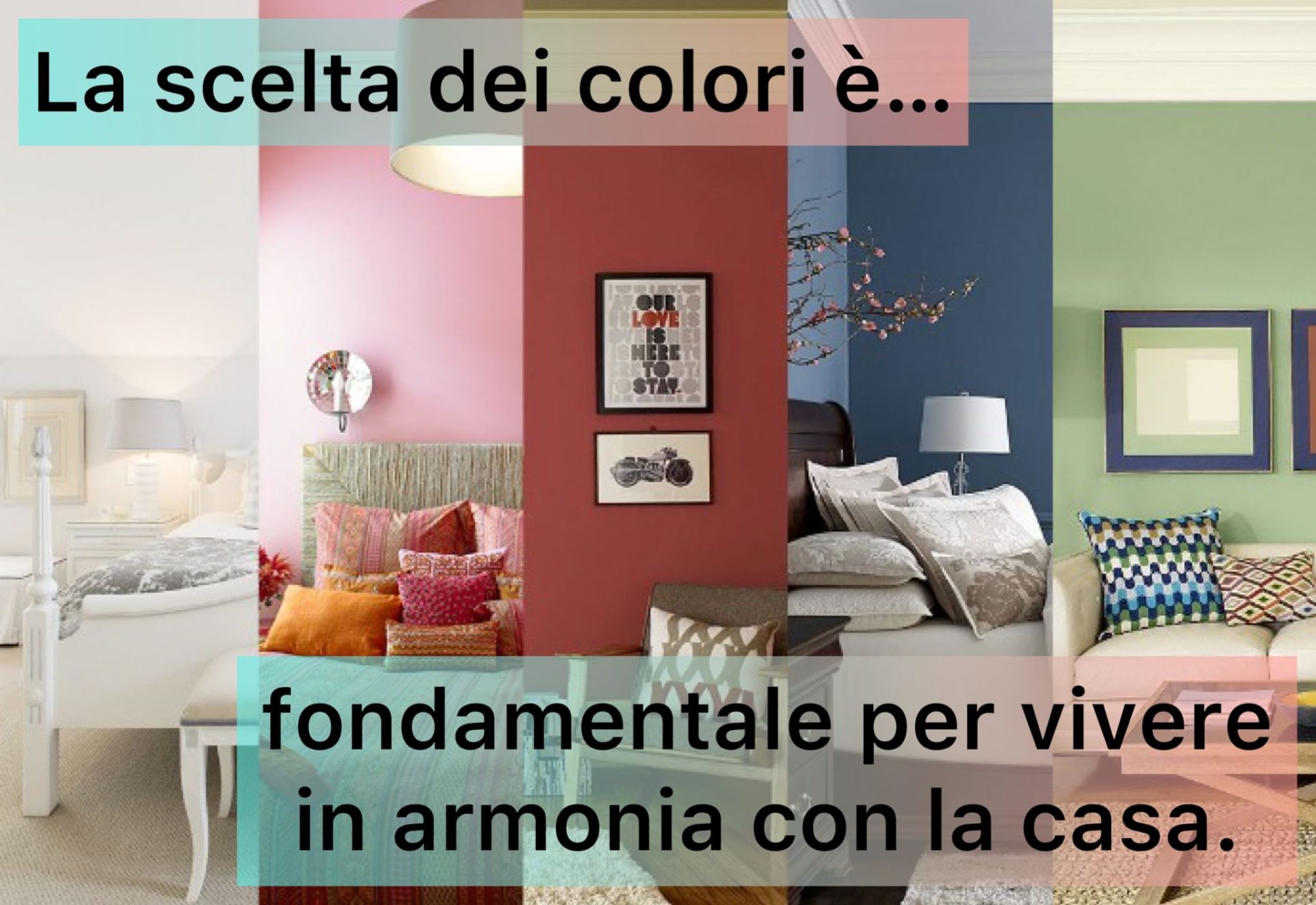
Wall colour is an important part of interior design, shaping the atmosphere and overall appearance of a room. Choosing can feel difficult, but a basic understanding of colour and some creativity can help. This article considers the main factors and practical ways to make a choice.
Colour and mood
Before choosing paint, consider the feelings and associations different colours can evoke. For example:
- Blue is associated with calm and tranquillity and is often chosen for bedrooms or relaxation areas.
- Red is energetic and stimulating and can suit social spaces such as dining rooms and living rooms.
- Yellow feels cheerful and lively and can be used in kitchens or home offices.
- Green evokes nature and tranquillity and can support a sense of wellbeing.
- Grey is a neutral colour associated with restraint and elegance, suitable for many rooms.
- White feels clean and bright and can help smaller rooms appear more spacious.
Natural light and architecture
The amount of daylight and the room’s architecture matter. Well-lit rooms can accommodate stronger colours, while darker rooms may benefit from lighter shades.
Consider the existing floor, furniture and finishes as well. Wall colours should work with them to create visual continuity.
Samples and trials
Before deciding, paint a small sample area. Look at it in daylight and artificial light at different times of day to see how it affects the room.
Professional advice
An interior-design professional can help if you feel unsure, creating a coherent palette throughout the home.
Conclusions
Combining colour associations, light, architecture and practical samples supports a more informed choice. Paint is also personal: it should reflect your style, personality and needs. Careful attention can create a home that feels comfortable and inspiring.