
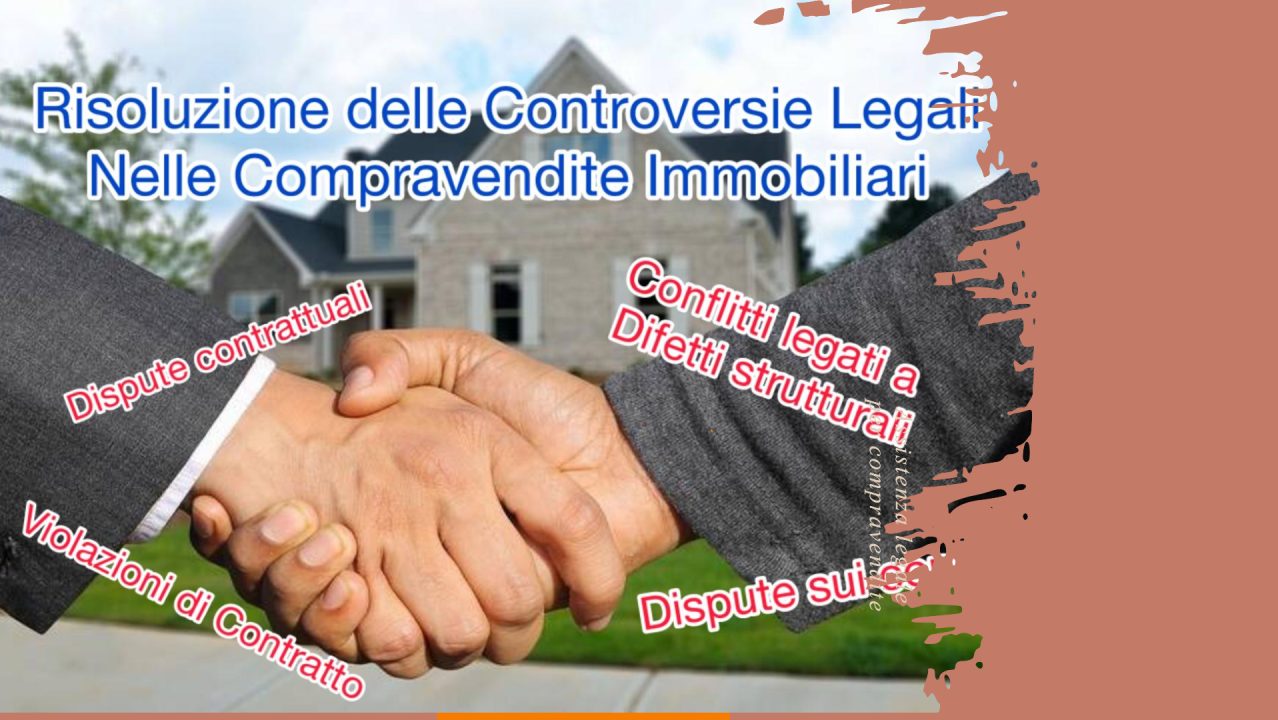
Resolving property disputes: a cooperative approach
Property disputes can arise from sales, tenancies, condominium matters or boundaries. What begins as a misunderstanding can become a costly conflict with consequences beyond the original issue.
Why consider an amicable solution?
A peaceful, cooperative resolution can be a practical way to address disagreement while protecting the interests of those involved.
1. Potential cost savings: Court proceedings involve legal fees and other expenses. Mediation or direct negotiation may reduce unnecessary costs compared with lengthy litigation.
2. Potentially shorter timescales: Litigation can take months or years. An agreed resolution may be reached sooner, allowing the parties to resume their activities with less disruption.
3. Preserving relationships: Neighbours, tenants and buyers may need to deal with one another again. A cooperative agreement can preserve communication and trust, whereas adversarial proceedings may make future contact harder.
4. Flexible outcomes: Negotiated solutions can reflect both sides' practical needs, rather than being limited to the remedies available through a court judgment.
Ways to resolve a dispute
Several approaches can help:
- Mediation: An impartial mediator helps the parties communicate and seek an agreement through a confidential process that is generally less formal than litigation.
- Arbitration: A third party makes a binding determination under the applicable arbitration agreement and rules. Its costs and timescales depend on the case; savings are not guaranteed.
- Direct negotiation: Open, constructive communication may resolve a misunderstanding without an intermediary.
Exploring an amicable solution can save time and costs and preserve working relationships. Consider the available procedures with appropriate advice before choosing litigation, particularly where a preliminary dispute-resolution step is legally required. Cooperation can help turn a conflict into a workable agreement.