
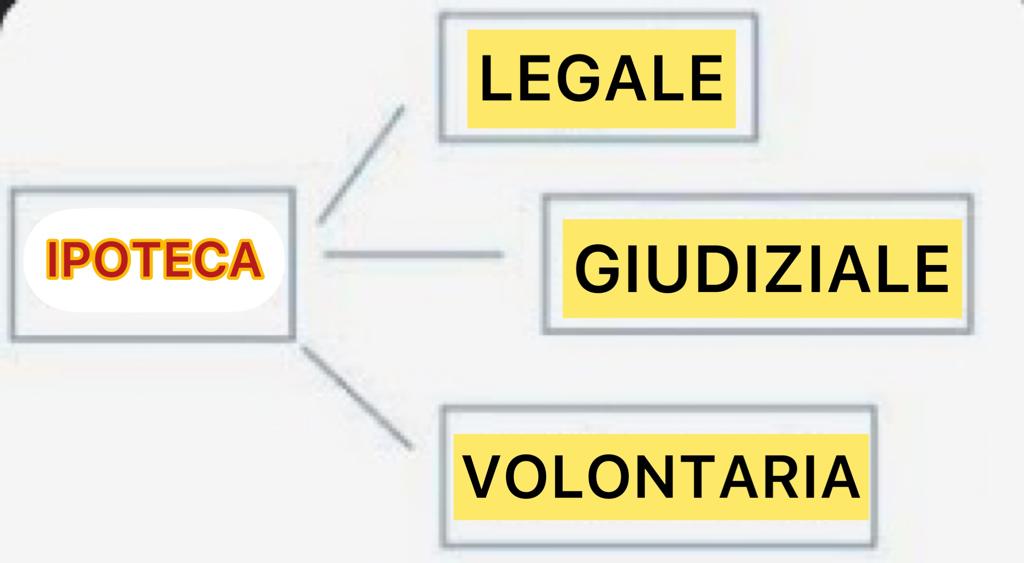
A simple definition is:
A mortgage charge (ipoteca) is a security right over property or other registrable assets belonging to a debtor or third-party guarantor. It secures an obligation by giving the creditor rights over the proceeds of an enforced sale if the obligation is not met.
A mortgage charge follows the property and strengthens the secured creditor's position. The ability to seek enforcement is not exclusive to mortgage holders: an unsecured creditor may also take enforcement action, subject to the legal requirements.
What advantage does the mortgage charge give the creditor?
Compared with an unsecured creditor, the mortgage holder has priority over sale proceeds according to the applicable ranking and statutory rules. When a bank lends against a home, that security protects its claim if enforcement becomes necessary, whether initiated by the bank or another creditor.
There are different types of mortgage charge:
JUDICIAL: registered on the basis of an enforceable judicial decision, subject to the applicable legal requirements.
STATUTORY: arising from circumstances specified by law.
VOLUNTARY: granted by the debtor or property owner, such as the security given to a bank for a home loan.
A common question is:
Does an existing mortgage charge necessarily prevent a purchase? No, but it must be identified and properly dealt with.
Many properties for sale have mortgage charges. Land-register searches identify them and other third-party rights, such as usufruct. An existing secured debt must be addressed through an appropriate arrangement rather than assumed to disappear automatically on sale.
The notary, buyer's lender and seller's bank can coordinate checks, repayment and discharge. Part of the purchase money may be paid directly to the seller's lender to settle the outstanding secured loan.
A typical purchase involving a bank's voluntary mortgage charge works as follows:
At completion, part of the agreed price repays the outstanding loan and the balance goes to the seller. Where the simplified Bersani/Bersani Bis discharge rules apply, the bank handles the registry cancellation following repayment. Other cases require the appropriate express consent and formal discharge procedure.