In 2026, the article sees Italian interiors moving towards a combination of craftsmanship, technology and sustainability, creating welcoming, practical homes and a broader understanding of domestic comfort.
Rather than cold, impersonal minimalism, the focus is on homes that tell stories, use natural materials and respond to the people living in them.
The return of natural materials, craftsmanship and sustainability
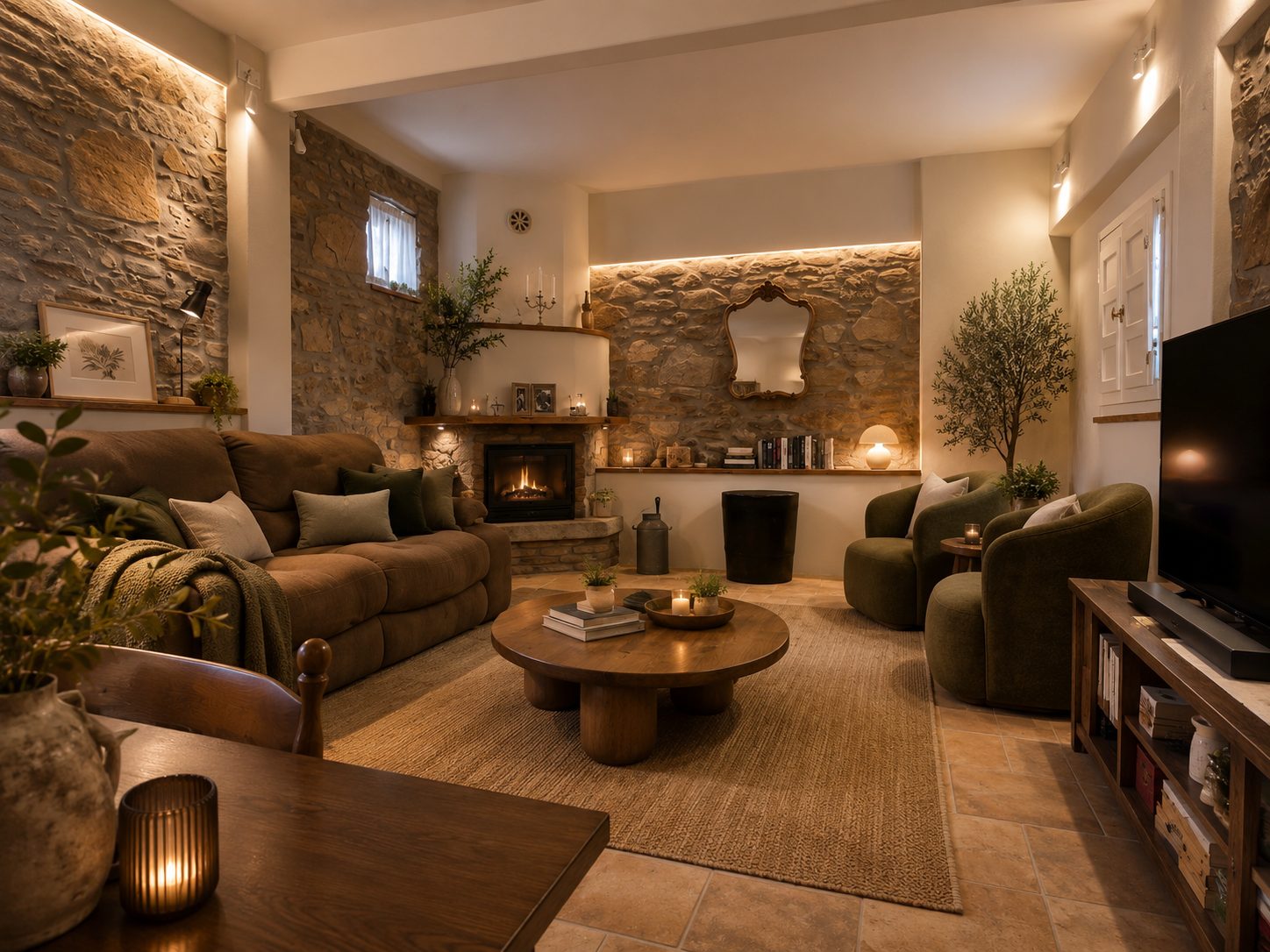
Wood is among the materials highlighted for 2026. Dark varieties such as walnut and mahogany are reused or sourced through certified supply chains, bringing warmth and character.
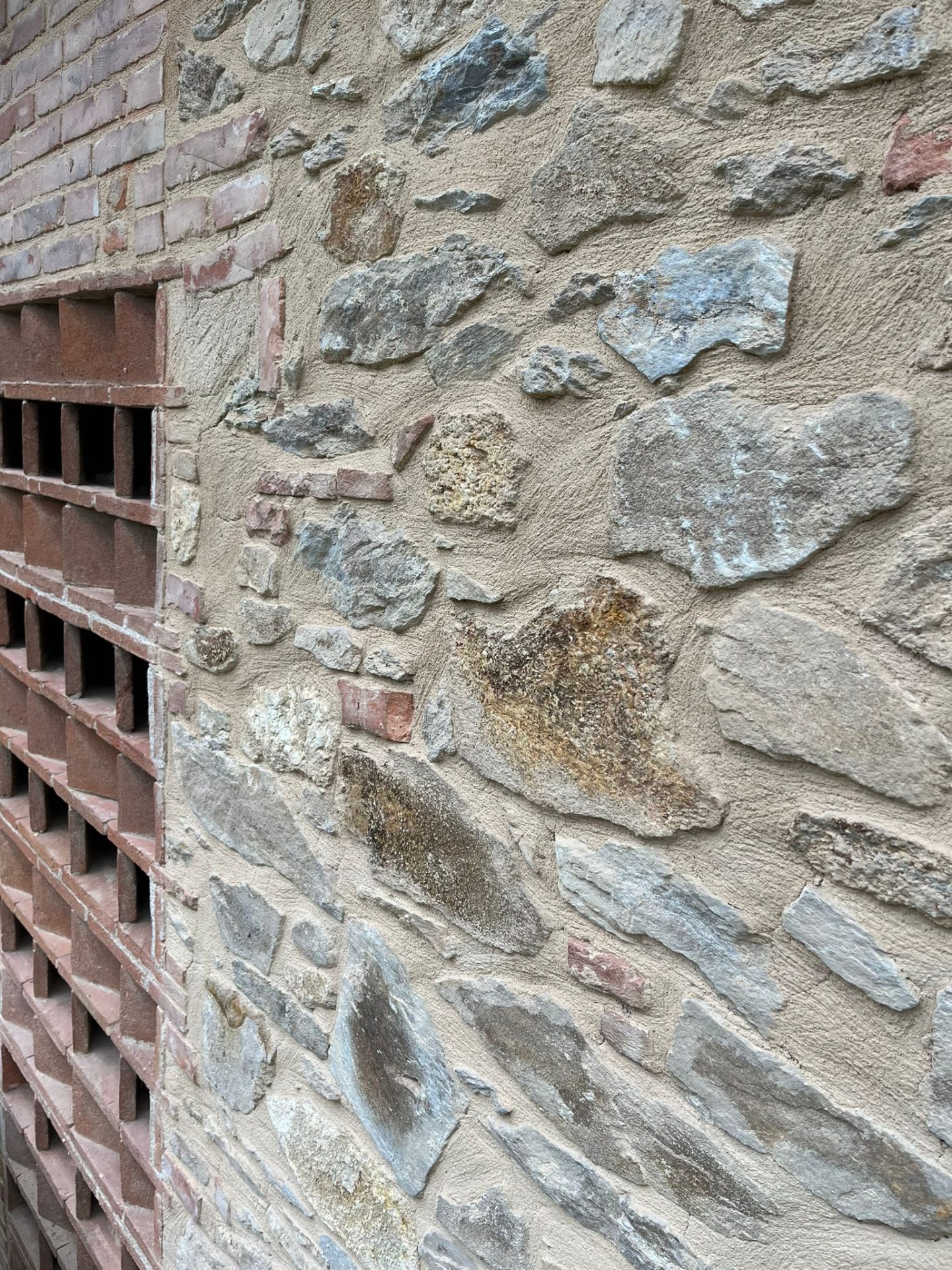
Terracotta, raw clay and natural fibres complement timber. Textured surfaces, aged leather and handcrafted weaving encourage a more tactile experience of home.
Sustainability becomes a design criterion influencing finishes and furniture.
Warm colours and welcoming atmospheres
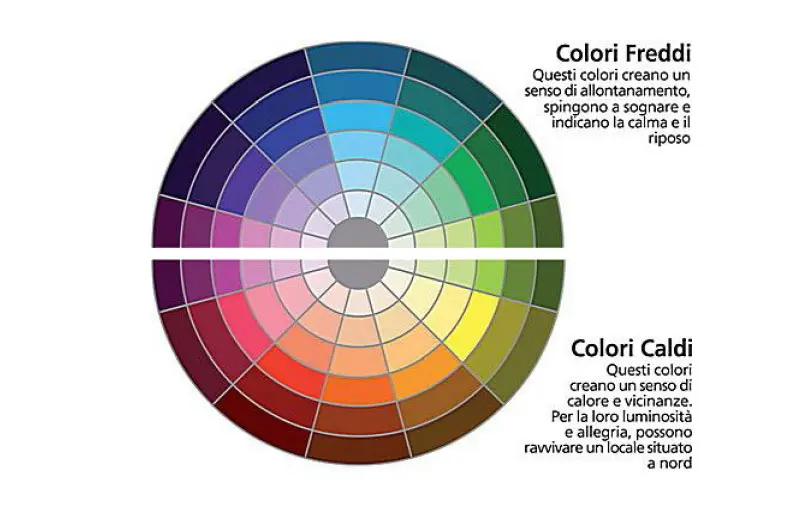
The palette moves towards nature-inspired beige, greige, clay brown, soft yellow-green and earthy shades.
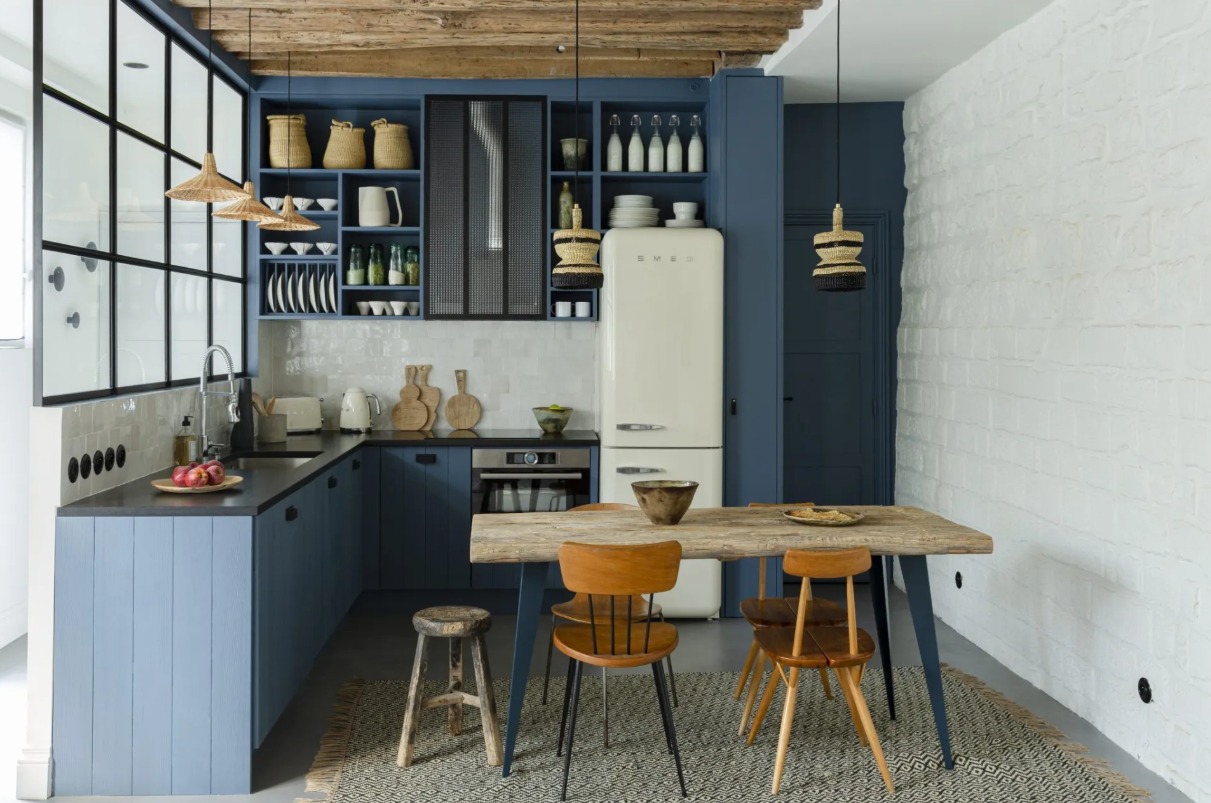
Deep brown is highlighted, often combined with rich greens or dusty blues to create continuity between rooms.
Colour drenching uses one shade across walls, ceilings and doors for an enveloping effect. Brighter cushions, curtains, artwork and accessories can add contrast.
Softer shapes and sociable spaces
The article describes 2026 design as favouring organic lines: curved sofas, sculptural armchairs, undulating tables and irregular mirrors.
These forms support a more fluid, sociable arrangement of rooms, with attention to comfort and everyday wellbeing.
Vintage and contemporary pieces are mixed to create personal interiors. Room-dividing bookcases, handmade lamps and recovered furniture contribute character.
Quiet luxury: elegance through simplicity
Quiet luxury favours quality materials and careful details over display.
Natural surfaces, craftsmanship and restrained furniture communicate quality without relying on striking features.
This approach fits a wish for authentic, practical and sustainable homes.
Invisible technology and thoughtful comfort
The 2026 home is increasingly connected, with lighting, heating and cooling integrated discreetly into furniture and architecture.
The aim is comfort that adapts to occupants’ habits while managing energy use.
Flexible furniture also allows rooms to change function: a living room can become a home office during working hours and return to a place for relaxation afterwards.
The empathetic home: a direction for the future
The article’s central idea for 2026 is an empathetic home, designed around the changing needs of its occupants.
It combines craftsmanship and authentic materials with technology supporting comfort, energy efficiency and quality of life.
Tradition and innovation can work together, creating spaces that welcome people, express their stories and adapt to daily life.