Colours influence how we experience a room. Cool shades are often associated with calm, balance and reflection. What are they, and how can they be used in design and furnishing? Here is an introduction.
Which colours are cool?
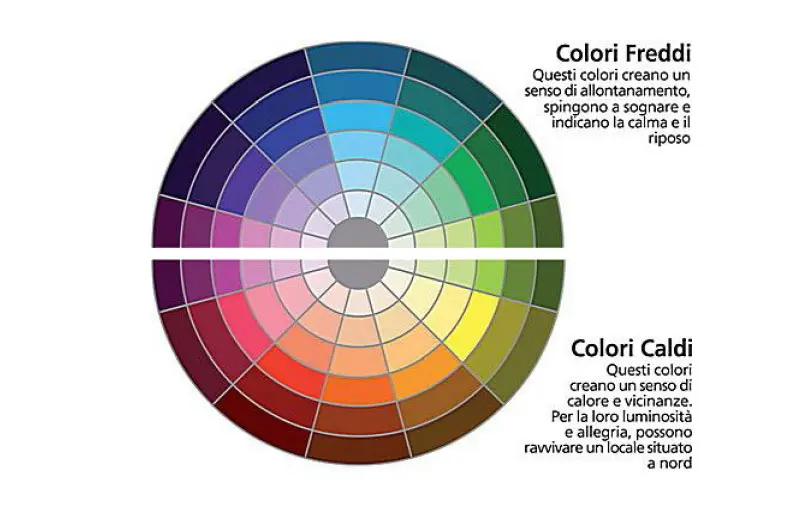
Cool colours sit opposite warm shades such as red, orange and yellow on the colour wheel. The main examples are:
- Blue
- Green
- Indigo
- Violet
Many intermediate shades share these qualities. They are used in interiors, fashion and visual communication to suggest harmony and order.
What is the colour spectrum?
The colour wheel helps explain the distinction. Warm shades run from red through orange to yellow. Cool shades include blue, green and violet. These groups reflect familiar associations: red suggests fire and energy, while blue recalls the sea, sky and tranquillity.
Associations of cool colours
Cool shades are often associated with:
- Calm and relaxation: blue is commonly chosen for bedrooms and spaces intended for rest.
- Seriousness and professionalism: green and indigo can communicate reliability and stability in work environments.
- Freshness and purity: green and light blue evoke nature and cleanliness, making them popular in bathrooms and wellbeing spaces.
These associations make cool colours useful in interior design and visual communication.
How can you recognise warm and cool colours?
Although the distinction can be subjective, these approaches may help:
- Consider the feeling they evoke: warm colours suggest energy, while cool colours tend to feel calmer.
- Look at their position on the colour wheel: a blue undertone usually feels cooler, while a red undertone feels warmer.
- Compare against reference colours: place a shade beside pure blue and pure red to see which direction it leans.
Combinations for cool palettes
Different combinations create different effects:
- With other cool colours: blue and green can create a relaxed setting, while violet adds sophistication.
- With neutral shades: white, grey and beige balance cool colours and help keep a room bright.
- With warm colours: blue with orange, or green with yellow, can create lively contrasts.
Using cool colours in interiors
Examples include:
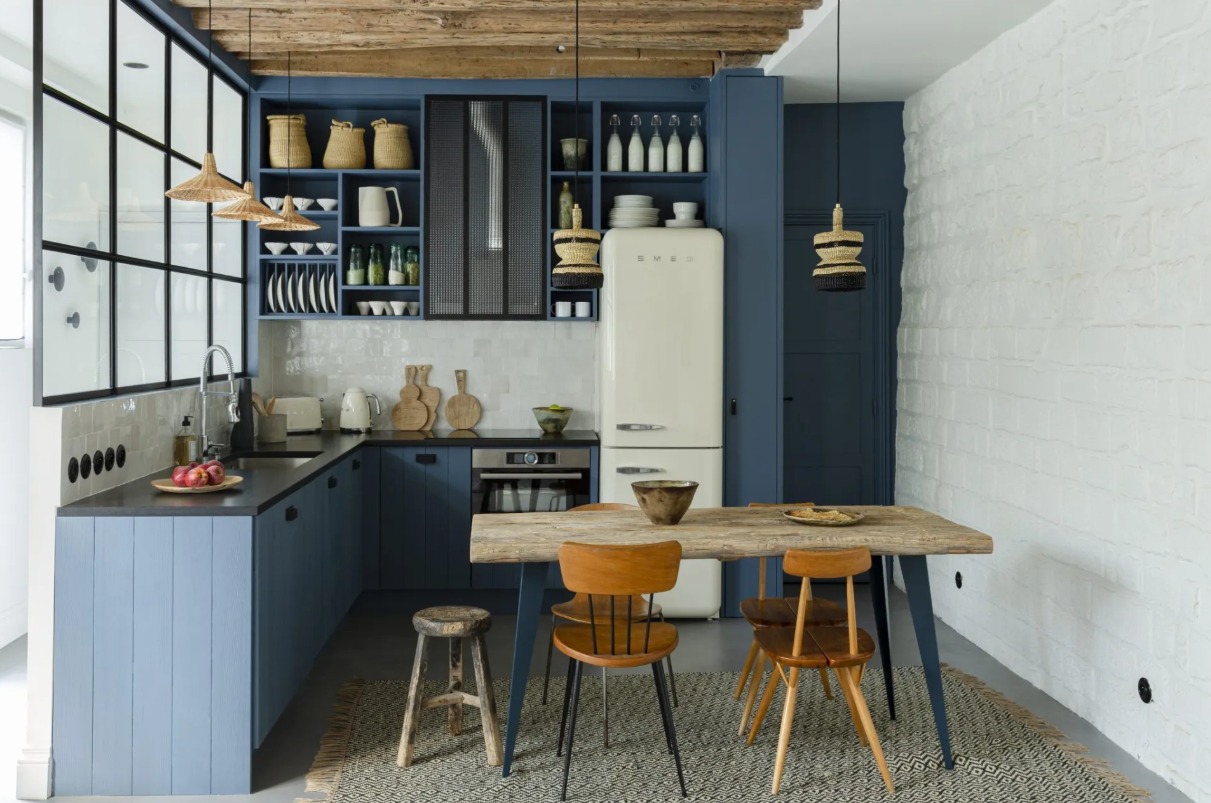
- Walls: powder blue in a living room or sage green in a kitchen.
- Furniture: blue or dark-green velvet sofas with pale wood, or charcoal furniture for a contemporary look.
- Accessories: cushions, rugs and artwork in cool shades can link a room together without overwhelming it.
Cool colours offer many ways to create balanced, welcoming spaces. Experiment with combinations that suit the feeling you want, whether calm, elegance or a more expressive contrast.