When discussing sustainability in buildings, we often think first of a property’s energy rating . Labels such as A, A+ or B help describe energy use for heating, cooling and other needs.
But sustainability involves more than that.
An A-rated home can still have a significant environmental impact if it uses non-recyclable materials, required avoidable demolition or contains fittings that will not last.
Other choices matter too: materials, building techniques and decisions made during restoration. We might call this hidden sustainability.
Why look beyond the energy rating?
Imagine two homes with the same A energy rating.
- One is newly built after demolishing a building that could have been restored.
- The other is a restored historic property using recovered materials and original features.
Their energy labels match, but their wider environmental impacts may differ.
Looking beyond the label means asking:
- Can I restore rather than replace?
- Are there natural materials I can prioritise?
- Will this choice still make sense in 20 or 30 years?
These questions may be missing from quotations and brochures, but they matter.
A practical example: restoring a farmhouse
I put these principles into practice while renovating an old farmhouse.
The aim was to make it comfortable while minimising environmental impact and preserving its character.
Examples of those choices include:
- Almost no wall channels for services to avoid unnecessary disturbance and rubble.
- A natural timber roof using a renewable material with warmth and insulating qualities.
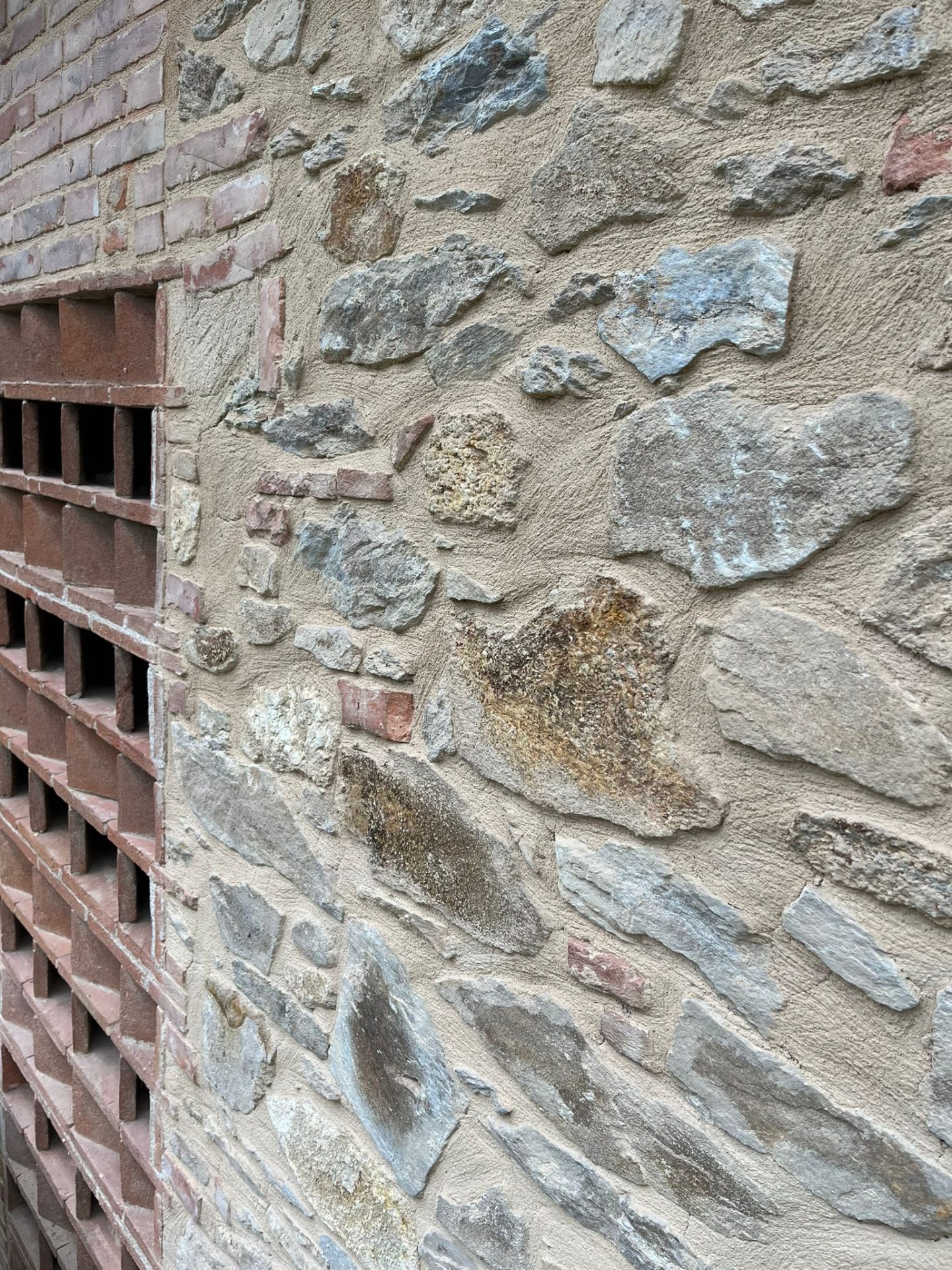
- Restored stone façades using durable local materials that preserve the building’s story.
- Wooden windows for their appearance, recyclability and connection with local craftsmanship.
- Reconditioned cast-iron radiators giving existing equipment a new life instead of sending it to landfill.
- Timber partitions chosen instead of plasterboard for the intended natural, durable result.
- No intrusive technical installations to preserve the structure and limit future maintenance and consumption.
The benefits of these choices
- Environmental benefits include less waste, reduced resource use and more recyclable materials.
- Financial benefits may include lower restoration costs than replacement and a longer useful life.
- Personal benefits include the warmth and continuity people can feel around authentic wood and stone.
Sustainability is more than a coloured energy label: it is a considered approach.
Every renovation can be an opportunity to restore, respect and enhance.
At HINRE we believe the future of property combines energy efficiency with respect for materials, people and the stories held by each building.
A home’s environmental story includes its history.