It is easy to assume a home must lose value with age, but that is not always the case.
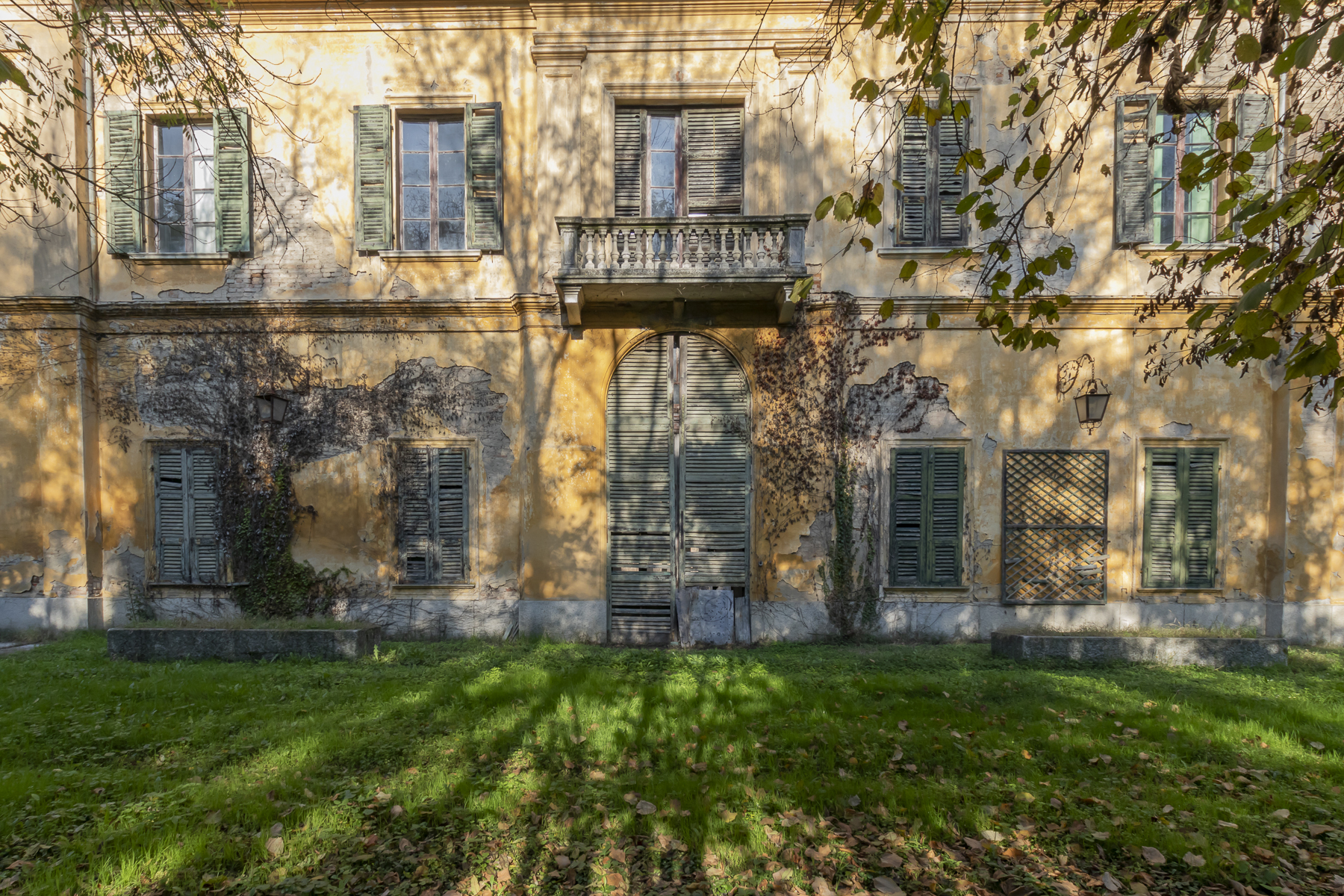
Some properties age well, gaining character, appeal and sometimes value.
Others can look dated, function poorly and become harder to sell after only a few decades.
What makes the difference?
A combination of materials, architecture, maintenance and setting.
In the city: the appeal of period homes
Consider an apartment in an early-twentieth-century city building with high ceilings, wooden floors and original mouldings and doors.
Such homes can have lasting appeal: aged parquet develops character, while worn marble becomes part of the building’s story.
By contrast, some buildings from the ’70s and ’80s used inexpensive materials and standard finishes that now require costly updating.
In cities, properties with quality and architectural balance often age better than those designed mainly for speed or low cost.
In the countryside: the value of tradition
A stone farmhouse can, with a timber roof, restored façades and well-made windows, become a characterful residence for people seeking authenticity and comfort.
Restoring rural buildings with appropriate materials and techniques can preserve their character. Stone, mature timber and the surrounding landscape can complement one another as they age.
A cheaply planned prefabricated holiday home may, after 20 years, feel dated, difficult to maintain or out of place.
In the countryside, homes that reflect local traditions and landscape often retain their appeal.
By the sea: simplicity and durable materials
At the coast, salt air tests materials: iron corrodes, concrete deteriorates and poor-quality windows suffer.
Yet simple Mediterranean homes with thick stone walls and well-treated wooden windows can remain attractive after 30 years.
A quickly built, anonymous block from the ’80s may instead show cracks, water ingress and dated finishes.
Coastal homes benefit from materials and details suited to the climate.
The common thread: materials, architecture and setting
Across these settings, the common factors are:
Authentic materials: quality wood, stone, ceramics and wrought iron can age well, unlike some inexpensive substitutes.
Balanced architecture: sound proportions and simple lines can outlast short-lived fashions.
Setting: a home that fits its urban, rural or coastal surroundings has a better chance of retaining appeal.
Consistent maintenance: small, regular interventions help extend a building’s useful life.
What this means for buyers and sellers
For buyers:
Consider construction quality and character, including properties needing renovation, rather than judging by newness alone.
Assess how the home relates to its surroundings.
For sellers:
Highlight original materials, period details and the connection with the local area.
A home that has aged well has a story worth communicating.
A home can wear out or mature.
depending on how it was built, maintained and connected to its setting.
Homes that age well can also preserve memory, identity and character.