I wrote this some time ago, and I believe it is even more relevant today.
Recently, #design has become a buzzword that seems able to turn ordinary products into unique creations. Yet a universally accepted definition is not easy to find.
What does the word really mean?
design = planning and creation
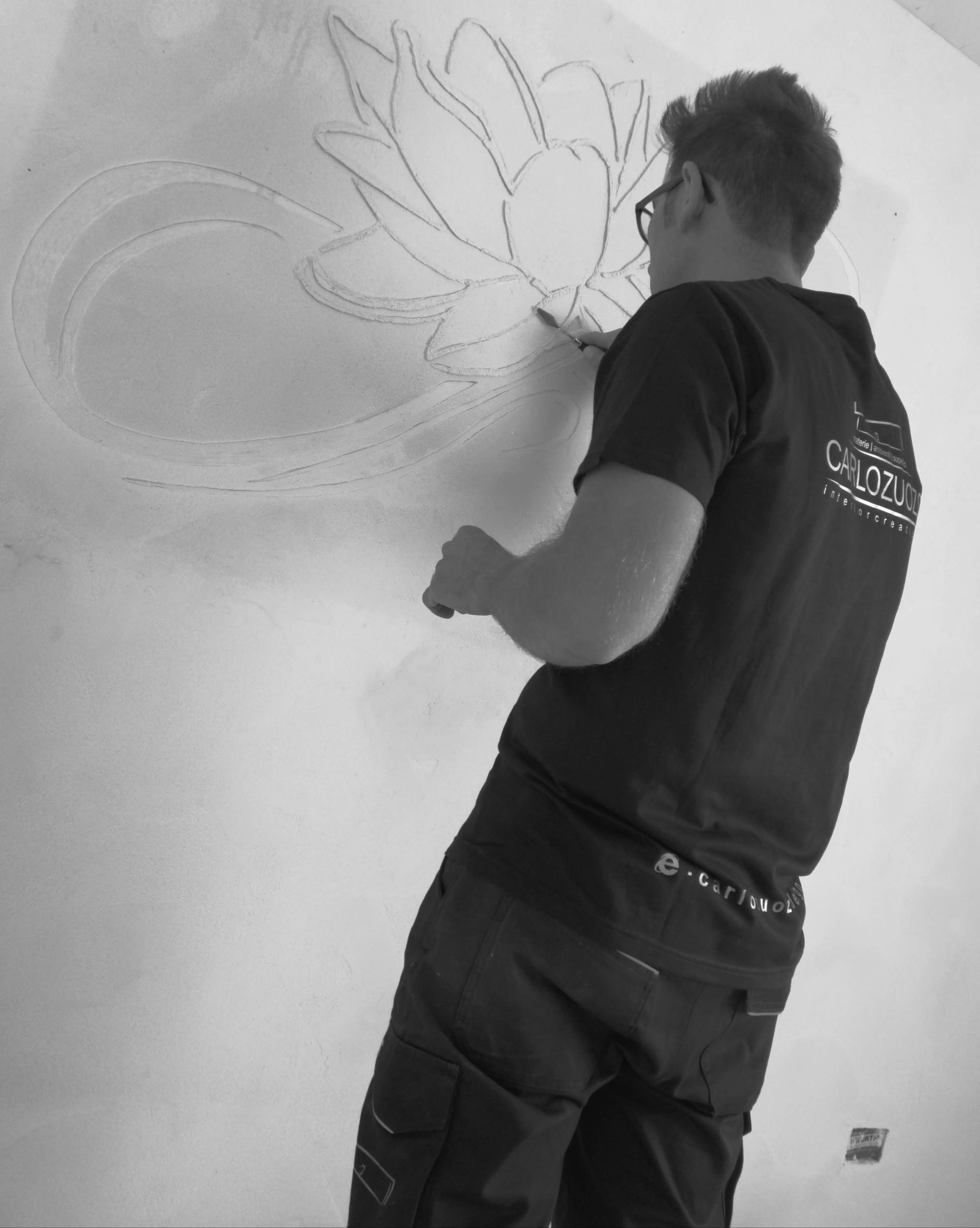
Design is the process that precedes making something, often by someone else. Craftsmanship differs in that the person conceiving the work also makes it, creating pieces that cannot be reproduced identically and have their own distinctive value.
Design emerged during the #industrial revolution, with the first forms of serial production. Today it is often associated with unique or limited-edition objects, presented as added #value even though its origins lie in planning the production of multiple examples of the same object.
At its heart, design studies feasibility, solves problems and seeks to make everyday life easier and more comfortable. It considers materials and their use and, in the home, combines practical needs with personal tastes. Problems arise from people’s needs, and meeting them can improve quality of life. Design therefore addresses form, usability and physical ergonomics: the relationship between an object and its user. Ideas become studies, and those studies become a design.
Add attention to detail, a search for #aesthetics, #experimentation with new #materials, and the #emotions we feel when using, touching or looking at an object, and we approach the #essence of design. Although it is not simply #art, design involves both function and the #ability to move us. In my view, beauty follows from getting things right. That demands creativity and effort.
Today, design is often understood too narrowly, reduced to a few familiar labels: #beautiful, #unique, #modern, #technological. The #designer is then seen as an artist or inventor who transforms ordinary products into unique objects. In my view, designers bear some responsibility when they focus too heavily on the present and lose sight of their purpose. Trade bodies can also seem exclusive and self-referential, although good design should be accessible. A poor understanding of the profession, do-it-yourself at any cost and less engagement with professional communication and craftsmanship contribute to the problem. We spend less time reading and more time skimming photographs and videos that may offer little useful information.
Design has many forms. There is no single rule defining what is right or wrong because individual needs differ. Designers should listen carefully and work with awareness and humility: design concerns people, objects, places, feelings and lived experience.
“Design is any strategy intended to improve an existing situation.”.
We should learn to listen thoughtfully and look attentively, to understand things more clearly.
(Carlo Zuozo)